
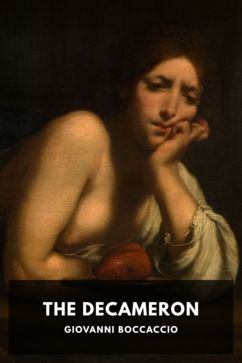
The Decameron - Giovanni Boccaccio
Let's set the scene. The year is 1348, and the bubonic plague is wiping out entire cities. In Florence, Giovanni Boccaccio paints a terrifying picture of the chaos before introducing us to ten young nobles—seven women and three men. To escape the sickness and the despair, they retreat to a beautiful estate in the hills. To keep their spirits up, they agree on a plan: every day, each person will tell one story. They crown a 'king' or 'queen' for the day to choose the theme, which ranges from love that ends well to tricks people play on each other. What unfolds is a marathon of storytelling, a literary escape hatch from the horror waiting back in the city.
Why You Should Read It
What amazed me is how fresh and human these 600-year-old stories feel. Forget the stiff, moralizing tales you might expect. Boccaccio's characters are full of life, cunning, and desire. Merchants, nuns, knights, and fools—they all scheme, laugh, and love with a passion that jumps off the page. The book is a celebration of wit over brute force, cleverness over blind faith, and the sheer, stubborn will to find joy. It’s not subtle about poking fun at the hypocrisy of the powerful, especially the clergy. Reading it, you realize people haven't changed much at all; our drives and our need for a good story are timeless.
Final Verdict
This is the perfect book for anyone who loves clever, character-driven short stories with a historical backdrop. If you enjoy shows or books with intertwined stories and sharp social commentary, you'll feel right at home. It's also a fantastic pick for readers curious about medieval life beyond kings and battles—this is about everyday people. Fair warning: some tales are racy and wouldn't be out of place in a modern comedy. Don't be intimidated by its age or size; you can easily read a few tales at a time. The Decameron is a reminder that even in the darkest times, storytelling is our most powerful tool for resilience, connection, and just plain fun.
This book is widely considered to be in the public domain. Thank you for supporting open literature.
Edward Gonzalez
1 year agoGreat digital experience compared to other versions.
Elizabeth Martinez
1 year agoSimply put, the atmosphere created is totally immersive. Exactly what I needed.
Lucas Nguyen
1 year agoMy professor recommended this, and I see why.







Liam Robinson
9 months agoSimply put, the content flows smoothly from one chapter to the next. Exactly what I needed.